Qualifications · Welding
Position Qualifications (1G-6G)
Part of Your First Welding Cert · step 22 of 24 · next: Becoming a CWI
In learning paths: Your First Welding Cert
Assumes you know: Welder Qualification: How It Actually Works
Welding positions are numbered because gravity changes the job. A weld that is easy flat becomes a different skill overhead, and the qualification system encodes that: passing a harder position qualifies you for the easier ones beneath it. Knowing the ladder tells you exactly which test to buy with your practice time.
*Learn the Trades is a free study resource. We are not a licensing body, an authorized training provider, or an exam administrator. Reading this page does not award any card, license, or certification. Always verify requirements with the issuing authority linked in the sources.*The position codes
For groove welds on plate:
- 1G flat: plate horizontal, weld from above. The learning position.
- 2G horizontal: weld axis horizontal on a vertical plate.
- 3G vertical: welding uphill or downhill on a vertical joint.
- 4G overhead.
For groove welds on pipe, the numbers continue:
- 1G pipe rolled: pipe horizontal and rotated so you always weld flat.
- 2G pipe vertical pipe, horizontal weld.
- 5G pipe fixed horizontal: you weld around the joint through flat, vertical and overhead.
- 6G pipe fixed at 45 degrees: every position in one joint, the recognised summit of positional welding.
Fillet welds carry a parallel 1F through 4F series.
Why the ladder matters
Under the qualification rules of the major codes, passing a more demanding position generally qualifies the positions it contains. The practical consequences:
- 3G and 4G together are the standard “all-position plate” package many structural employers ask for.
- 6G is the money test. One coupon, and pipe welders walk out qualified across pipe positions within the tested scope. That is why 6G under ASME IX or API 1104 is the credential pipe shops advertise for.
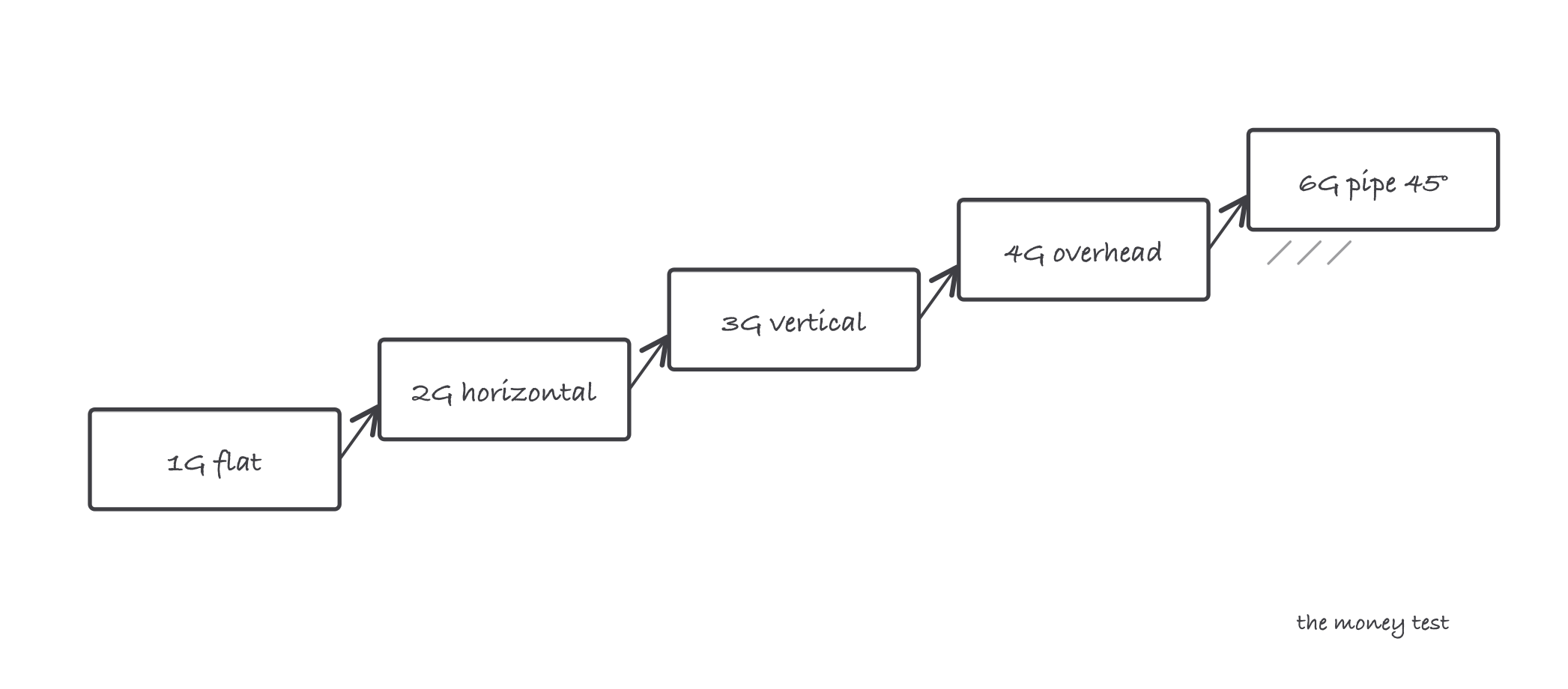
Passing harder positions qualifies the easier ones beneath
Where it bites
- Position is only one variable. A 6G pass still lives inside its process, material, thickness and code scope. 6G TIG on stainless does not qualify stick on carbon plate.
- Downhill vs uphill matters. Vertical progression is a specified variable; pipeline downhill technique under API 1104 is its own world.
Exam relevance
Every practical welding test you will ever take is defined partly by these numbers. Read a test announcement as: code, process, material, thickness, position. Then you know the actual job.
Verified requirements
| Where | Expires | Renewal | Continuing education |
|---|---|---|---|
| United States (federal) | No | Confirm with issuer | Confirm with issuer |
| United States (federal) | Yes | Confirm with issuer | Confirm with issuer |
Information comes from issuing-authority sources. Confirm current rules, fees and eligibility with the authority before acting.