Qualifications · Boilermaking
Stationary Engineer and Boiler Operator Licensing
Part of Boilermaker and the Code · step 21 of 22 · next: Becoming a Commissioned Inspector
In learning paths: Boilermaker and the Code
Assumes you know: The Boilermaker Apprenticeship (BNAP)
Building a boiler and running one are two different occupations with two different sets of rules. A boilermaker erects, repairs and alters the equipment; a boiler operator or stationary engineer runs the plant once it is in service. Nothing in a boilermaker apprenticeship licenses anyone to operate a plant, and nothing in an operator license qualifies anyone to do code repair work.
*Learn the Trades is a free study resource. We are not a licensing body, an authorized training provider, or an exam administrator. Reading this page does not award any card, license, or certification. Always verify requirements with the issuing authority linked in the sources.*Why it matters on the job
Two reasons. First, operating is a genuine second career for boilermakers, and one that trades travel and outage seasons for a fixed plant and a fixed roster. Second, the trade sits in a peculiar regulatory position that confuses everyone who meets it: boilermaking itself is not licensed as a trade, yet the equipment is heavily regulated. Knowing which parts are licensed and which are not stops you from looking for a card that does not exist.
Where the licensing actually sits
There is no federal operator license, and there is no national boilermaker license either. Operating licenses are issued by states and by cities, and the trigger is usually the plant: above some jurisdictional threshold of size or pressure, a licensed operator has to be in charge of it.
Neither ASME nor the National Board licenses anyone to operate anything. ASME certifies construction quality systems, the National Board commissions inspectors, and jurisdictions license operators. Three bodies, three jobs, and only the third one issues an operating license to a person.
New York City
Read the shape of that rather than only the numbers. A long supervised experience requirement, a recency window on it, a written exam and a separate practical exam, then periodic renewal. That is the pattern most jurisdictions build some version of.
Minnesota
Minnesota runs a statewide ladder of license classes rather than a single license, administered by the Department of Labor and Industry: Special, Second Class, First Class (which includes a Provisional grade), and Chief Engineer.
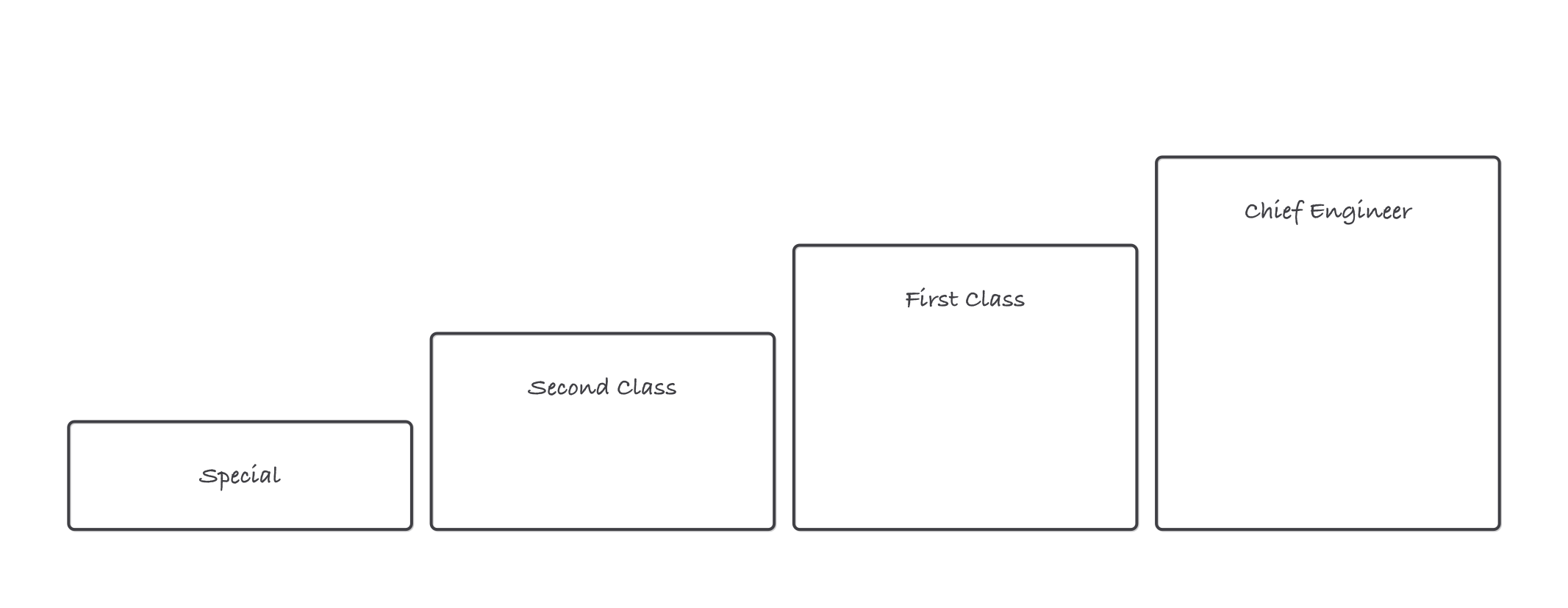
Minnesota’s classes are a ladder, and Chief Engineer is the top rung of it rather than a job title
If you meet a chief engineer at a hospital or a university plant, you have met someone holding a specific license class with a specific statutory duty attached to it. Elsewhere in industry, “chief engineer” is a business card. Here it is a legal position.
What this means for a boilermaker
The crossover is real but it is not automatic. Your years on the tools taught you the equipment from the inside, which is a genuine advantage when you sit down to study for an operating exam. What those years generally do not do is satisfy an experience requirement written as time served operating a plant under a licensed operator, because that requirement is describing a different activity.
So treat the move as a deliberate change of track: find the jurisdiction that will actually govern you, read its requirement as written, and work out what experience of yours counts before you count on any of it.
Where it bites
- The jurisdiction is the whole answer. New York City and Minnesota look nothing like each other, and neither is a template for anywhere else. City licensing is common in this area, so a state website is not always the end of the search.
- Recency windows trip people up. New York City wants five years gained within the prior seven. Experience does not always keep.
- Renewal cycles differ, and so do their clocks. Three years in New York City, two years in Minnesota, with Minnesota’s expiring at the end of the issue month rather than on a common date.
- Nobody is licensed by ASME or the National Board to operate anything. If a course or a page implies otherwise, it has misunderstood the whole structure.
- Verify with the issuing authority before you plan around any of this. Fees, exam formats and experience rules are changed by the bodies that set them, and the two jurisdictions above are here to show you the pattern rather than to answer for yours.